

5G vs WiFi: Understanding the Fundamental Technological Differences
Author:Xiamen Lineyi Electronics Co.,Ltd.
Click:
Time:2025-11-17 17:25:02
In today's hyper-connected world, the debate between 5G and WiFi has become increasingly significant for both consumers and businesses. While both technologies provide wireless connectivity, they serve different purposes and excel in different scenarios. Understanding their fundamental differences is crucial for making informed decisions about which technology better serves specific use cases.
This comprehensive comparison examines 5G and WiFi from multiple technical perspectives, helping you determine is 5g better than wifi for your particular needs.
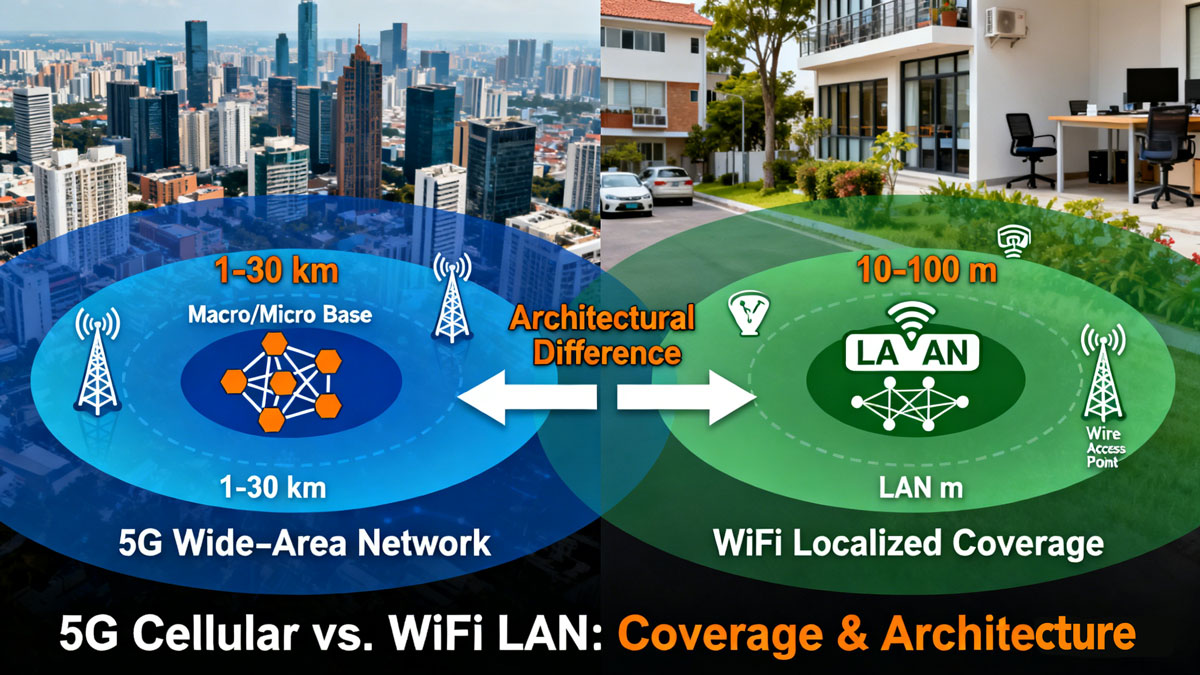
Technology Architecture and Infrastructure
Understanding the core architecture of both technologies reveals why they excel in different environments.
5G Network Architecture:
- Cellular Infrastructure: Operates through licensed spectrum managed by mobile network operators
- Macro Cells: Large towers covering miles of area
- Small Cells: Compact base stations for dense urban areas and indoor coverage
- Network Slicing: Virtual networks customized for specific applications
- Mobile Core: Centralized network management with advanced security features
WiFi Network Architecture:
- Local Area Network (LAN): Operates in unlicensed spectrum (2.4GHz, 5GHz, 6GHz)
- Access Points: Devices creating wireless local networks
- Mesh Systems: Multiple access points working together for whole-home coverage
- Router-Based: Central device managing local network traffic
- Decentralized Management: Individual network administration
Speed and Performance Analysis
The 5g vs wifi speed debate requires context, as both technologies have evolved significantly.
Theoretical Maximum Speeds:
- 5G: Up to 20 Gbps download speeds (theoretical)
- WiFi 6/6E: Up to 9.6 Gbps aggregate throughput
- Real-World Considerations: Both technologies rarely reach theoretical maximums due to environmental factors and network congestion
Real-World Speed Factors:
- 5G Speeds: Depend on distance from cell tower, network congestion, and spectrum band
- WiFi Speeds: Affected by distance from router, physical obstructions, and interference from other networks
- Consistency: WiFi generally offers more consistent speeds within its coverage area

Latency and Responsiveness
Latency—the time it takes for data to travel—is crucial for real-time applications.
5G Latency Characteristics:
- Theoretical: As low as 1ms in ideal conditions
- Practical: Typically 10-30ms in deployed networks
- Edge Computing: Ultra-low latency for specialized applications
- Network Slicing: Dedicated low-latency channels for critical applications
WiFi Latency Characteristics:
- Theoretical: 1-5ms in ideal conditions
- Practical: 10-20ms in well-configured networks
- Consistency: More stable latency within local network
- Quality of Service (QoS): Traffic prioritization for low-latency applications
Range and Mobility
5G Range Advantages:
- Wide Area Coverage: Kilometers from a single tower
- Seamless Handoff: Maintains connection while moving between cells
- Outdoor Focus: Optimized for mobile outdoor use
- Rural Coverage: Expanding to underserved areas
WiFi Range Characteristics:
- Limited Range: Typically 50-150 feet indoors
- Mesh Solutions: Extends coverage through multiple access points
- Indoor Optimization: Designed for building interiors
- Fixed Location: Best for stationary devices
Choosing between 5G and WiFi depends on your specific needs. At Xiamen Lineyi, we manufacture advanced antennas for both technologies. [Contact our experts] to help you select the right connectivity solution for your application.

点击右上角
分享给朋友吧







 Long by picture save/share
0
Copyright © Xiamen Lineyi Electronics Co., Ltd All rights reserved.
点击右上角
分享给朋友吧
