

The Future of Mobile Phone Antennas
Author:Xiamen Lineyi Electronics Co.,Ltd.
Click:
Time:2025-09-16 17:23:18
Looking ahead, the future of mobile phone antennas is likely to be shaped by several factors. One of the key trends will be the continued miniaturization of antennas while maintaining or improving their performance. As mobile phones become even thinner and more compact, antenna designers will need to find innovative ways to integrate antennas into the phone's structure without sacrificing signal quality.
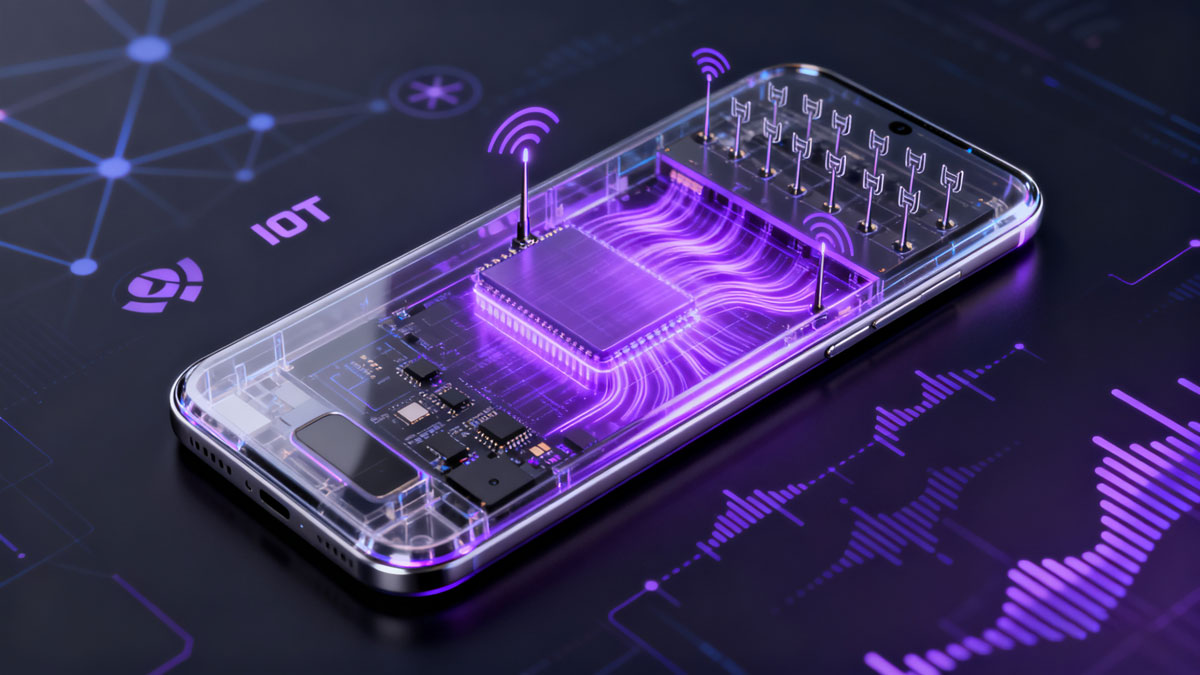
Another trend is the development of more intelligent antennas. Antennas of the future may be able to adapt to changing environmental conditions in real - time. For example, they could adjust their radiation pattern based on the location of the user, the surrounding obstacles, and the network traffic. This would improve the overall performance of the mobile phone and provide a better user experience.
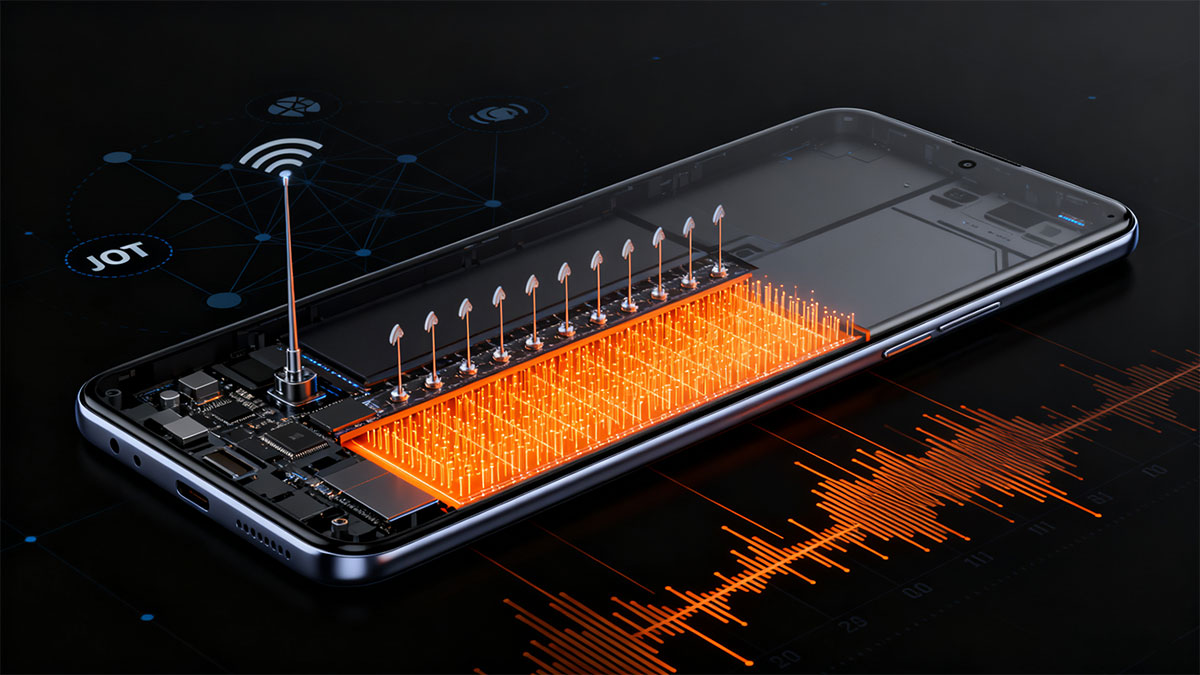
With the increasing demand for Internet of Things (IoT) connectivity, mobile phones may also need to support a wider range of wireless communication standards. This means that future mobile phone antennas will need to be even more versatile, capable of operating across multiple frequencies and communication protocols.
In conclusion, the past 30 years have seen an incredible transformation in mobile phone antenna technology. From the large, external antennas of the early mobile phones to the highly integrated, intelligent antenna systems of today's 5G phones, the evolution of mobile phone antennas has been a key enabler of the rapid progress in mobile communication. As we look to the future, we can expect even more exciting developments in this field, further enhancing the capabilities of our mobile devices.

点击右上角
分享给朋友吧







 Long by picture save/share
1
Copyright © Xiamen Lineyi Electronics Co., Ltd All rights reserved.
点击右上角
分享给朋友吧
