

The 5G Era: New Frontiers in Antenna Technology
Author:Xiamen Lineyi Electronics Co.,Ltd.
Click:
Time:2025-09-16 15:28:35
The arrival of 5G (fifth - generation) mobile communication technology has once again revolutionized the mobile phone antenna landscape. 5G operates across a wide range of frequencies, including sub - 6GHz and millimeter - wave (mm - Wave) frequencies above 24GHz. The use of higher frequencies in 5G offers several advantages, such as higher data transfer speeds and lower latency. However, these higher frequencies also pose challenges for antenna design.
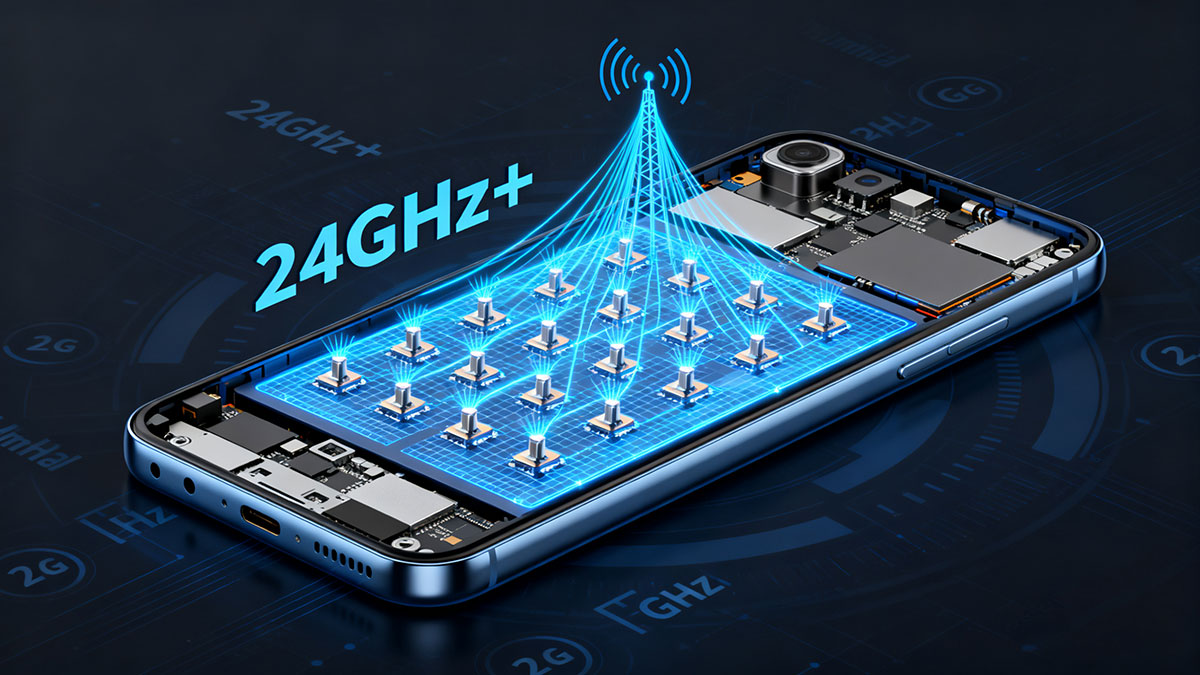
At sub - 6GHz frequencies, 5G mobile phones still use MIMO antenna technology, but with more antenna elements to increase the data capacity. For example, many 5G phones now feature 4x4 MIMO or even 8x8 MIMO systems, which means they have multiple antennas for both transmitting and receiving signals. This allows for faster data transfer and better signal quality in areas with high network traffic.
In the millimeter - wave range, the shorter wavelengths require a different approach to antenna design. Due to the high attenuation of mm - Wave signals in the atmosphere and their sensitivity to obstacles, 5G mm - Wave antennas are designed in the form of antenna arrays. These arrays consist of a large number of small antenna elements that can be electronically steered to direct the signal towards the base station. This beam - forming technology enables the phone to maintain a strong connection even in challenging environments.

Another significant development in 5G antenna technology is the use of new materials. For example, liquid crystal polymer (LCP) and modified polyphenylene ether (mPPE) are being used in the manufacturing of flexible printed circuit (FPC) antennas for 5G phones. These materials offer better electrical performance at high frequencies and are more flexible, allowing for more creative antenna designs within the limited space of a mobile phone.

点击右上角
分享给朋友吧







 Long by picture save/share
1
Copyright © Xiamen Lineyi Electronics Co., Ltd All rights reserved.
点击右上角
分享给朋友吧
