

Fundamentals of 5G Antenna Design for Drones: Overcoming Size and Frequency Challenges
Author:Xiamen Lineyi Electronics Co.,Ltd.
Click:
Time:2025-09-16 20:15:19
The advent of 5G technology promises to revolutionize unmanned aerial vehicle (UAV) operations, offering the potential for ultra-reliable, low-latency communication (URLLC) and enhanced mobile broadband (eMBB). This is pivotal for applications like real-time aerial photography, precision agriculture, infrastructure inspection, and search and rescue missions. However, designing 5G antennas for drones presents a unique set of challenges that stem from the fundamental properties of 5G waves and the stringent physical constraints of UAV platforms.
This article delves into the core principles of 5G antenna design specifically for drones, exploring the hurdles of size, frequency, and integration, and how innovative engineering solutions are paving the way for superior drone communication stability.
The 5G Spectrum: Sub-6 GHz vs. mmWave and Implications for Drones
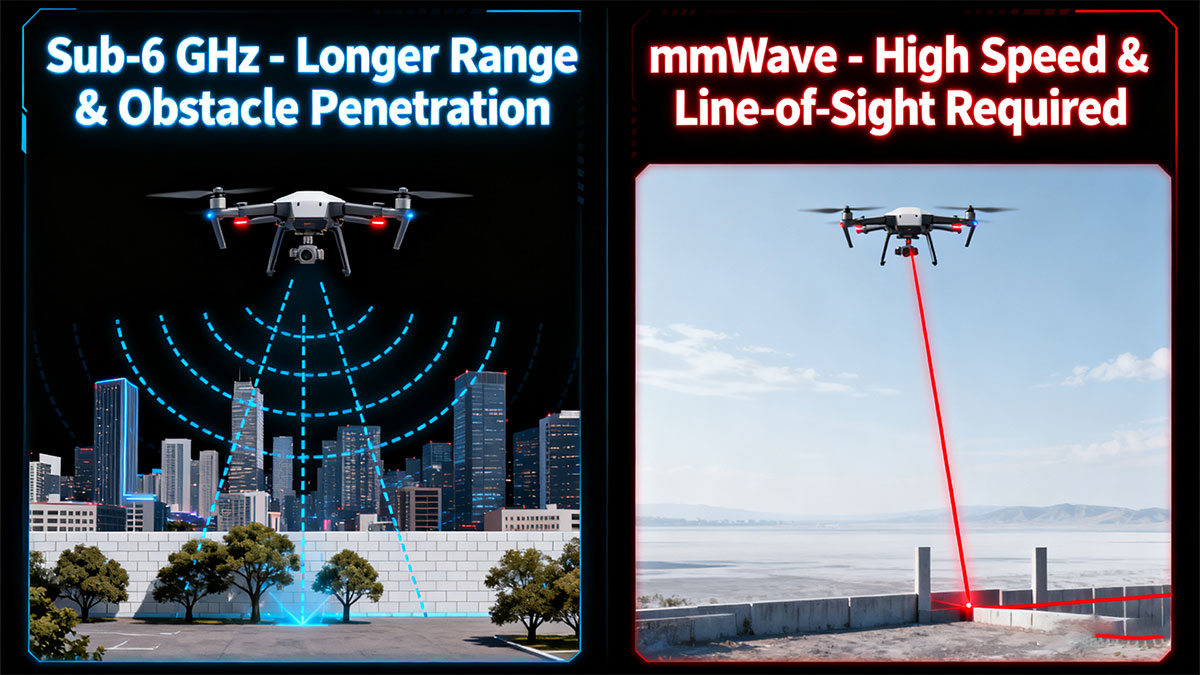
5G operates primarily in two frequency ranges: Sub-6 GHz (typically 3.5-4.1 GHz ) and millimeter wave (mmWave) (e.g., 24-100 GHz ). Each band offers distinct trade-offs for UAV connectivity...
The Size-Constraint Conundrum: Miniaturization Techniques
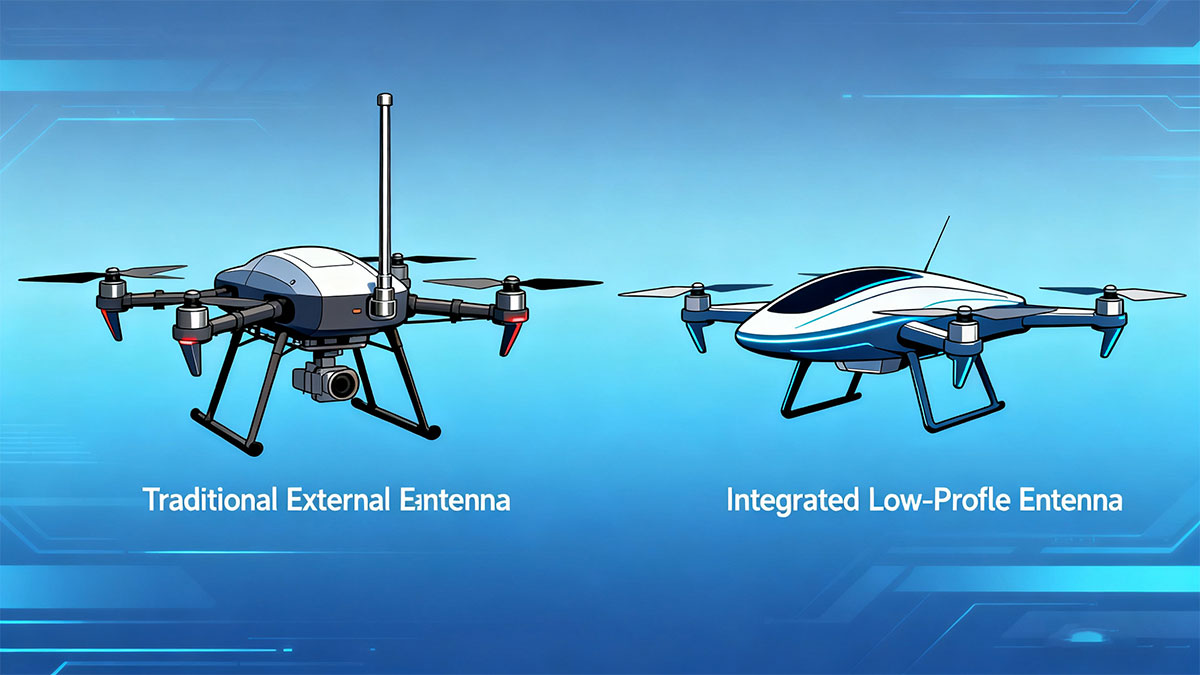
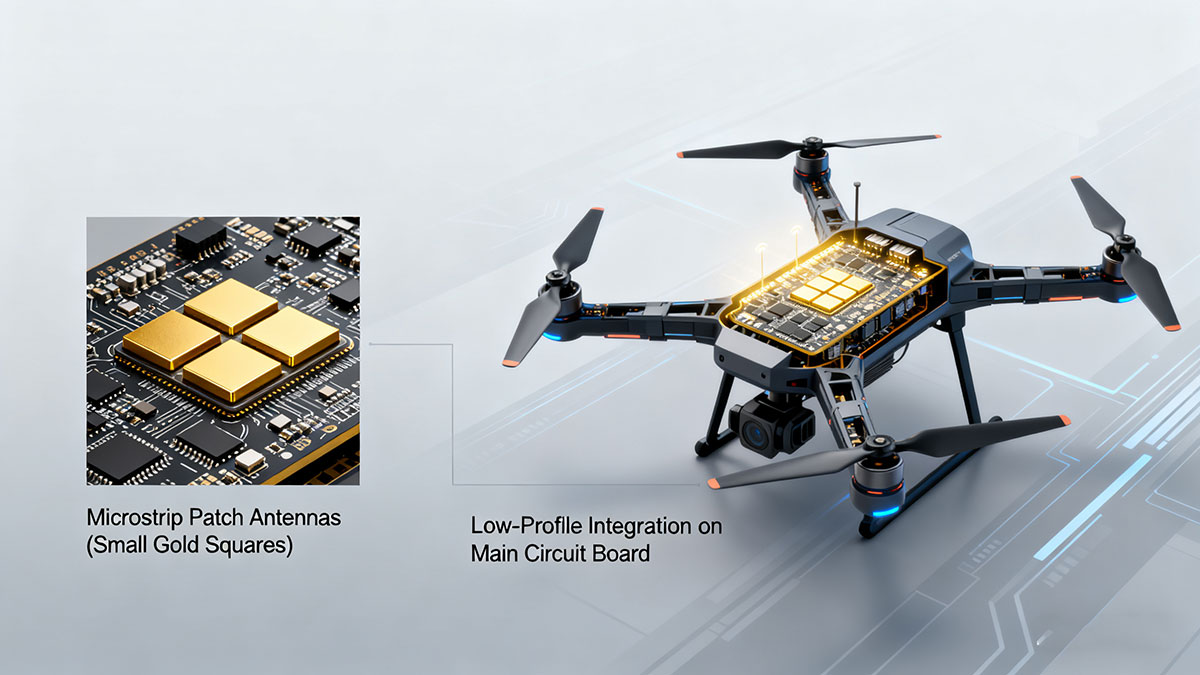
Drones have severely limited space and payload capacity. A large, protruding antenna is unacceptable as it affects aerodynamics, weight, and overall flight performance. Therefore, antenna miniaturization is a primary focus in UAV antenna solution design...
CTA: *Xiamen Lineyi specializes in designing and manufacturing high-performance, compact 5G antennas for UAV applications. [Contact us today] for OEM/ODM inquiries to discuss your specific antenna integration challenges.

点击右上角
分享给朋友吧







 Long by picture save/share
0
Copyright © Xiamen Lineyi Electronics Co., Ltd All rights reserved.
点击右上角
分享给朋友吧
