

The Rise of Built - in Antennas: A Game - Changer
Author:Xiamen Lineyi Electronics Co.,Ltd.
Click:
Time:2025-09-15 11:54:51
The late 1990s and early 2000s witnessed a revolutionary change in mobile phone antenna design with the introduction of fully built - in antennas. Nokia played a crucial role in this transition. In 1998, Nokia introduced the Nokia 6110, which was one of the first mobile phones to use a built - in antenna. This phone used a slot antenna, which utilized a slit in the metal surface of the phone to radiate and receive electromagnetic waves. The advantage of this design was that it allowed the antenna to be hidden inside the phone, giving the device a more streamlined and aesthetically pleasing appearance.
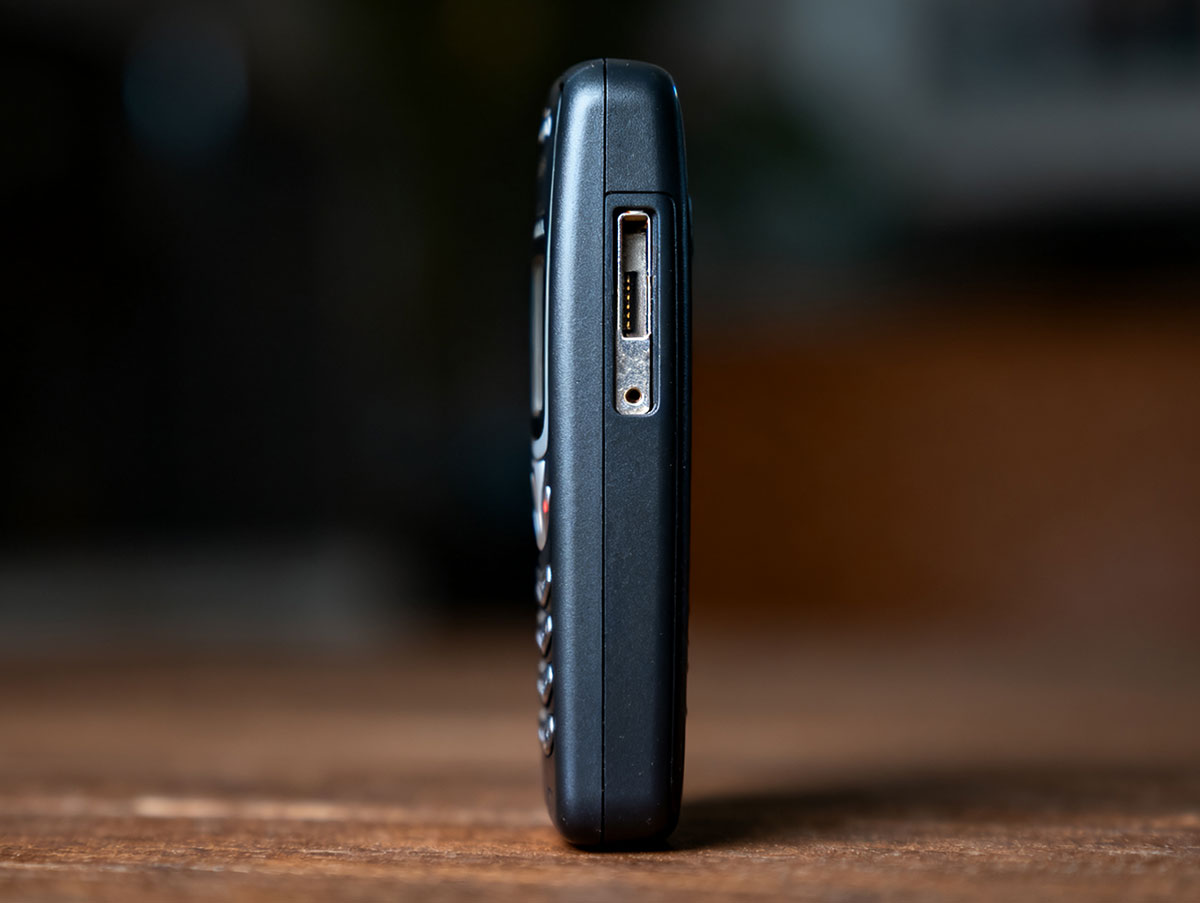
In 1999, Nokia took the built - in antenna concept a step further with the launch of the Nokia 3210. This phone used a planar inverted - F antenna (PIFA), which became one of the most widely used built - in antenna designs in mobile phones. The PIFA antenna has a flat, compact structure that can be easily integrated into the phone's interior. It offers several advantages, including a wider bandwidth and higher gain compared to some of the previous antenna designs. The Nokia 3210 was a huge success, selling over 160 million units worldwide, and its built - in PIFA antenna set a new standard for mobile phone design.
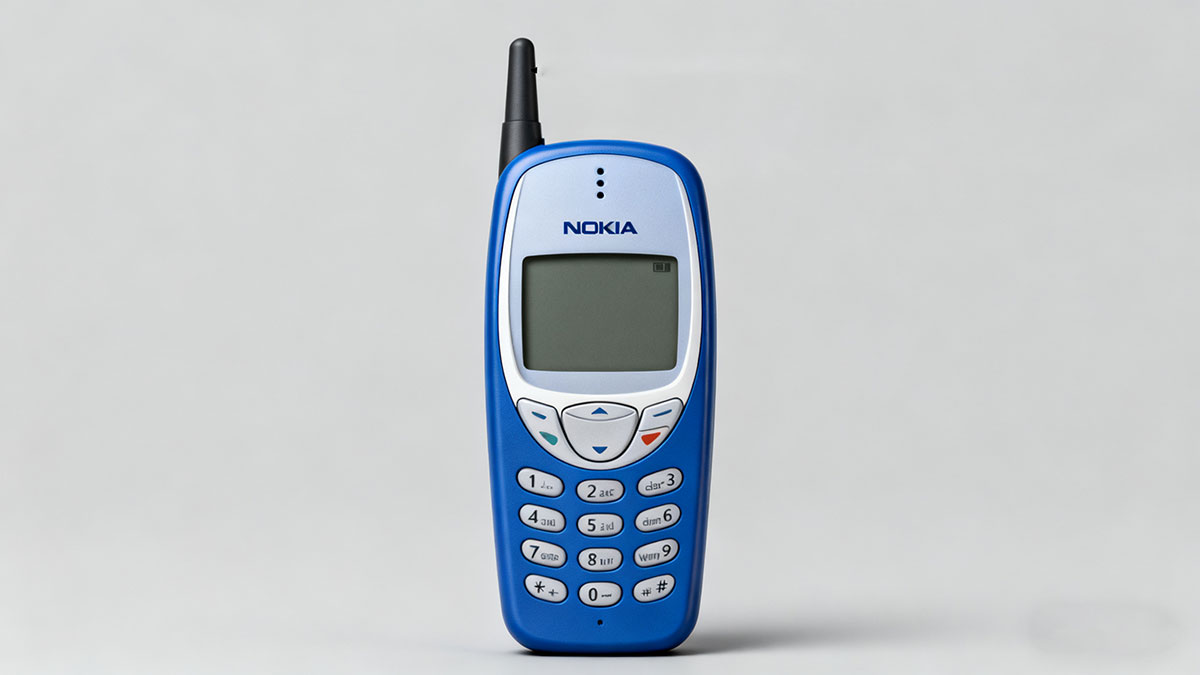
The adoption of built - in antennas not only improved the appearance and portability of mobile phones but also opened up new possibilities for integrating other features. With the antenna out of the way, manufacturers could focus on making the phones thinner, lighter, and more feature - rich. This led to the inclusion of features such as color screens, cameras, and more advanced computing capabilities in mobile phones.

点击右上角
分享给朋友吧







 Long by picture save/share
1
Copyright © Xiamen Lineyi Electronics Co., Ltd All rights reserved.
点击右上角
分享给朋友吧
