

The Transition to Smaller and More Compact Antennas
Author:Xiamen Lineyi Electronics Co.,Ltd.
Click:
Time:2025-09-15 10:13:40
As technology advanced and the demand for smaller, more convenient mobile phones grew, the need for a more compact antenna design became evident. The advent of 2G (second - generation) mobile communication systems, which operated at frequencies such as 900MHz and 1800MHz, provided an opportunity for antenna innovation.
In the mid - 1990s, manufacturers began to experiment with different antenna designs to reduce the size of the antenna while maintaining its performance. One such innovation was the helical antenna. This type of antenna, which was coiled in a helix shape, offered a more compact form factor compared to the telescopic antennas. For example, some Nokia and Motorola models in the 1990s started to use helical antennas. These antennas were not only smaller but also more resistant to damage as they were less likely to break if accidentally bent.
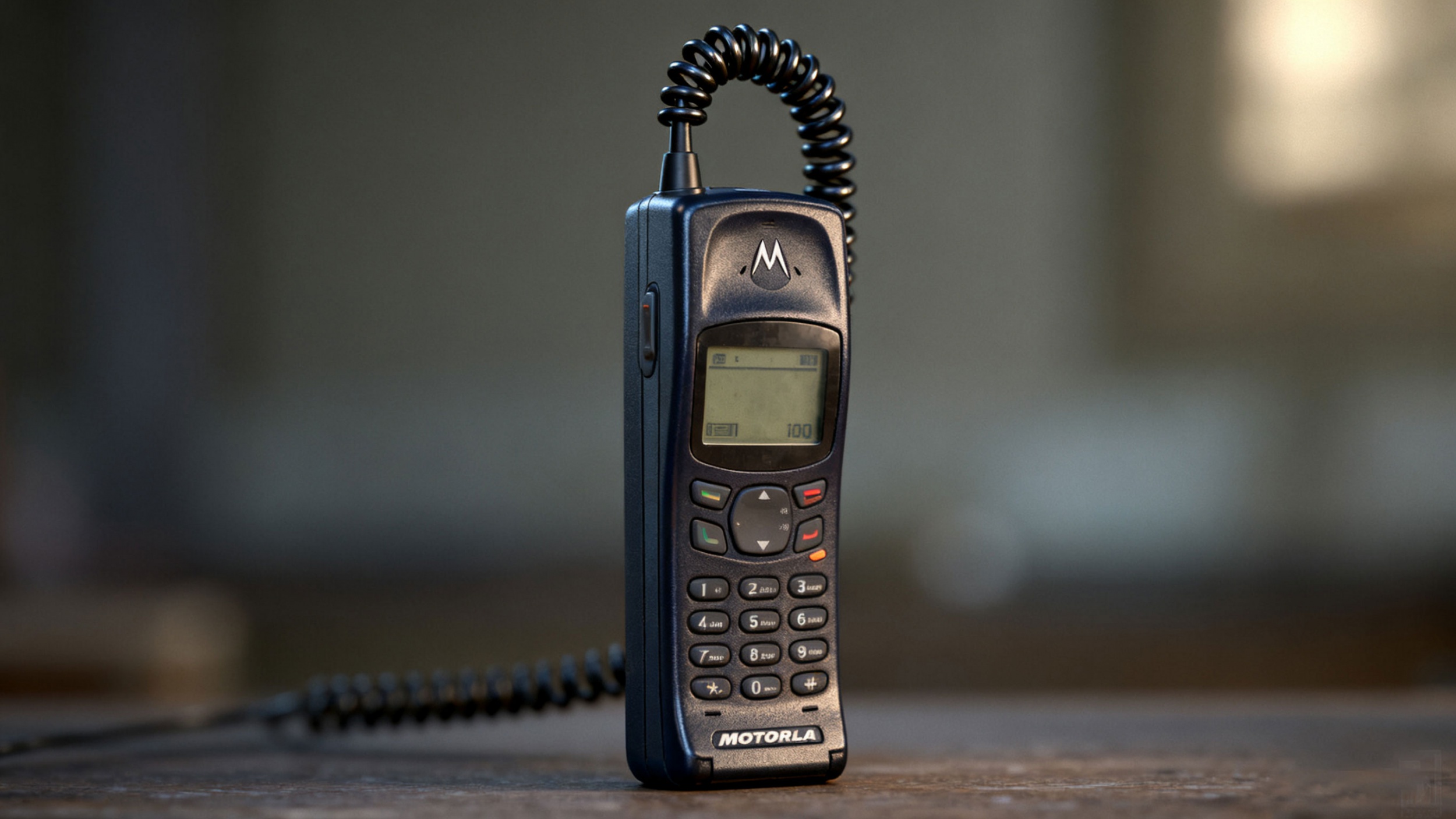
Another significant development during this time was the introduction of the first semi - built - in antennas. Some mobile phones started to have antennas that were partially hidden inside the phone case, with only a small part protruding. This was a step towards reducing the visibility of the antenna while still ensuring good signal reception. However, these designs still had limitations in terms of antenna performance and the overall size of the phone.

点击右上角
分享给朋友吧







 Long by picture save/share
1
Copyright © Xiamen Lineyi Electronics Co., Ltd All rights reserved.
点击右上角
分享给朋友吧
