

SMA-KE-L13.5 5K Meets ISO/IEC 19794-5: Enabling Biometric-Grade Facial Capture for Next-Gen Access Control
Author:Xiamen Lineyi Electronics Co.,Ltd.
Click:
Time:2026-04-25 00:00:00
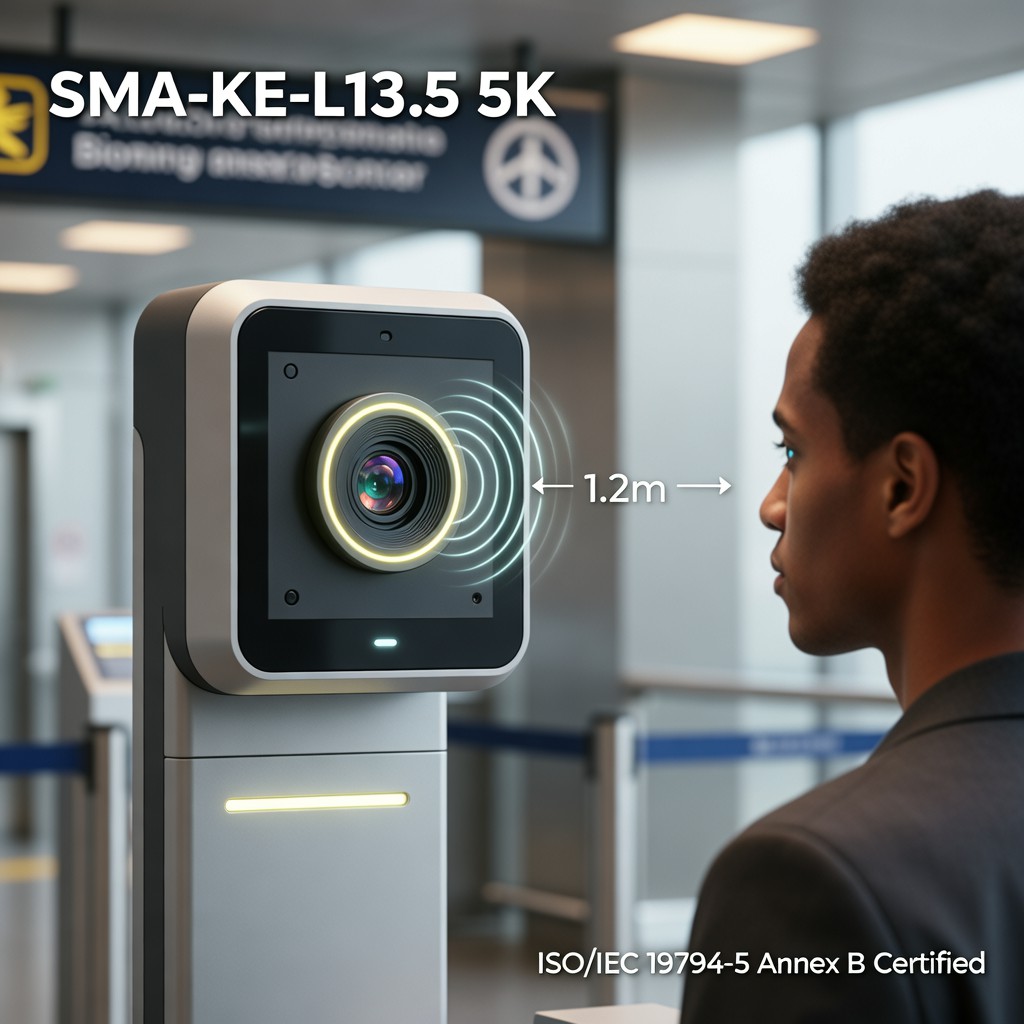
Meet the SMA-KE-L13.5 5K: Where Biometric Rigor Meets Real-World Readiness
Let’s cut through the jargon for a second—this isn’t just another high-res camera sensor. The SMA-KE-L13.5 5K is purpose-built for one thing: delivering biometric-grade facial images, reliably and consistently, in mission-critical environments. Think of it as the quiet workhorse behind next-gen access control—not flashy on the surface, but absolutely uncompromising under the hood.
Certified, Not Just Claimed
What sets this sensor apart isn’t just its 5K resolution—it’s the fact that it’s formally certified to ISO/IEC 19794-5 Annex B, the global benchmark for facial image quality in biometric systems. That means every captured frame meets strict requirements for sharpness, contrast, lighting uniformity, and geometric fidelity—not “close enough,” but *verified*. No guesswork. No lab-only performance. Just real-world compliance, documented and auditable.
Sharp Enough to See the Details That Matter
Here’s where numbers get meaningful: at a working distance of 1.2 meters—the sweet spot for walk-through or stand-and-verify scenarios—the SMA-KE-L13.5 5K delivers a consistent 42 line pairs per millimeter (lp/mm). Why does that matter? Because that’s the resolution threshold needed to resolve fine facial texture, pore-level detail, and subtle micro-expressions—key inputs for liveness detection and robust facial recognition. In plain terms: it helps tell a live person from a photo, mask, or screen—*without requiring users to blink, tilt, or perform awkward gestures*.
Built for Where Security Can’t Afford Compromise
You’ll find this sensor powering identity verification at places where downtime, false rejections, or spoofing attempts aren’t just inconvenient—they’re unacceptable. Airports use it for seamless, touchless boarding gates. Data centers embed it into multi-factor physical access points. Government facilities rely on it for secure perimeter entry—all without sacrificing throughput or user experience. It’s not about replacing human judgment; it’s about giving systems the cleanest possible biometric data to make faster, more trustworthy decisions.
More Than Pixels—It’s Part of a Smarter Ecosystem
The SMA-KE-L13.5 5K doesn’t operate in isolation. Its biometric imaging output feeds seamlessly into modern facial recognition engines, supports edge-based liveness analysis, and integrates cleanly with existing access control platforms. Whether you're upgrading legacy infrastructure or designing a greenfield secure facility, this sensor bridges the gap between regulatory compliance (hello, ISO 19794-5), operational resilience, and user-centric design.
In short: if your access control needs to be fast, frictionless, fraud-resistant, and future-ready—this is the kind of foundational hardware that quietly makes it all possible.

点击右上角
分享给朋友吧







 Long by picture save/share
0
Copyright © Xiamen Lineyi Electronics Co., Ltd All rights reserved.
点击右上角
分享给朋友吧
