

Mechanical and Environmental Considerations in SMA Connector Selection
Author:Xiamen Lineyi Electronics Co.,Ltd.
Click:
Time:2025-09-19 21:03:38
While electrical performance is the star of the show in high-frequency discussions, the mechanical and environmental robustness of an SMA connector is what ensures long-term reliability in the real world. A connector with perfect VSWR is useless if its threads strip on the first mating, its contacts corrode in humid conditions, or it fails after a few connection cycles.
This article shifts focus from the electrical to the physical, providing a crucial part of the RF connector selection guide by examining durability, materials, and environmental protection.
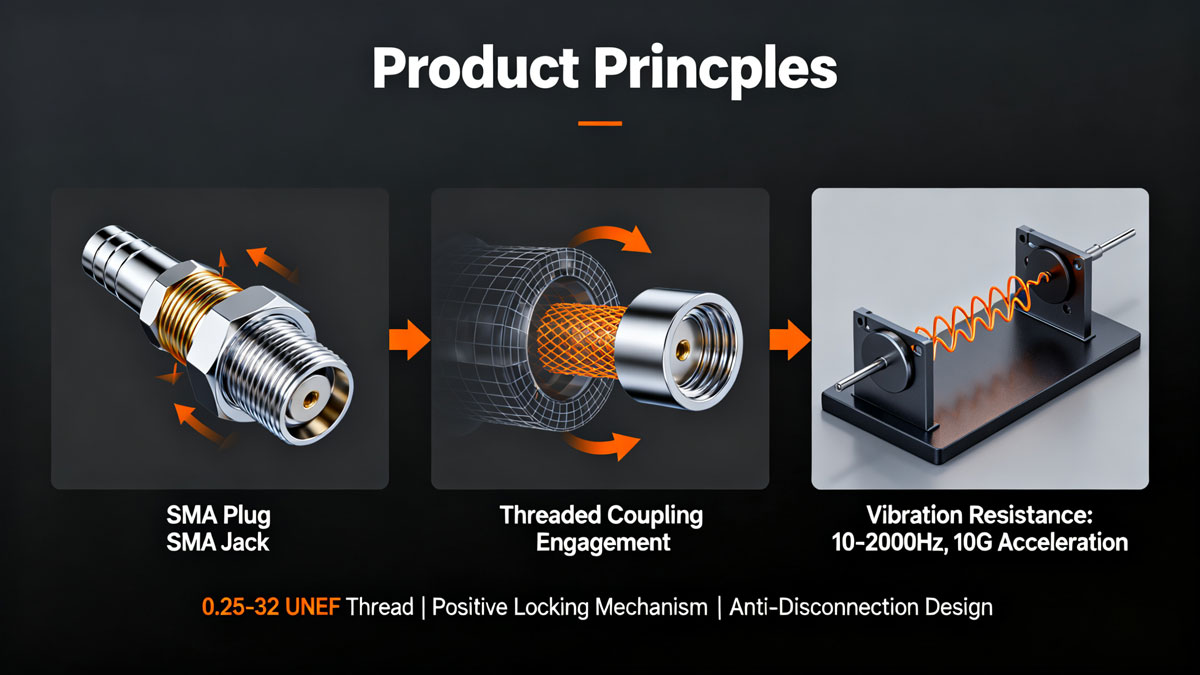
1. Mating Cycles and Mechanical Durability
Mating cycles refer to the number of times a connector can be connected and disconnected while still maintaining its specified electrical and mechanical performance.
- Standard Commercial Connectors: May be rated for 500 cycles or more.
- High-Reliability/Military-Grade Connectors: Manufactured to stricter tolerances and often using more durable materials, these can sustain a higher number of mating cycles without degradation.
- Factor Affecting Life: The plating on the center contact (gold is highly durable), the wear on the threading, and the stability of the dielectric material all contribute to the connector's lifespan. It's a key selection guide question: does the application require frequent reconnection (e.g., test equipment) or a 'set and forget' installation (e.g., internal PCB connection)?
2. Material Selection and Plating: Corrosion Resistance and Performance
The choice of materials directly impacts performance, cost, and suitability for different environments.
- Outer Body Material:
- Plating:
- Dielectric Material: PTFE (Teflon) is the standard due to its excellent dielectric properties, low loss, and high melting temperature. It remains stable across a wide temperature range.
3. Environmental Sealing and IP Ratings
For applications exposed to the elements, moisture and dust ingress are primary concerns.
- The Threat: Water intrusion can cause catastrophic increases in VSWR, insertion loss, and ultimately lead to connector and component failure.
- IP Ratings: The Ingress Protection (IP) code (e.g., IP67, IP68) defines a connector's protection level against solids and liquids. While not all SMA connectors are sealed, many are available with IP67-rated seals, meaning they are protected against temporary immersion in water.
- Sealing Methods: This can involve integrated O-rings, silicone seals behind the coupling nut, or special gaskets on panel-mount connectors. For waterproof RF connector needs, explicitly specify this requirement.
4. Temperature Rating
The operating temperature range is critical for applications subject to extreme heat or cold.
- Standard Range: A common operating temperature range for many SMA connectors is -65°C to +125°C.
- Extended Ranges: Some specialized designs, particularly those using certain dielectric materials or seals, can operate from -55°C to +165°C or even higher.
- Consideration: Temperature affects the mechanical dimensions of the connector and the properties of the dielectric, which can slightly alter impedance and thus VSWR. Always choose a connector rated for the worst-case environmental conditions.
5. Torque Specification
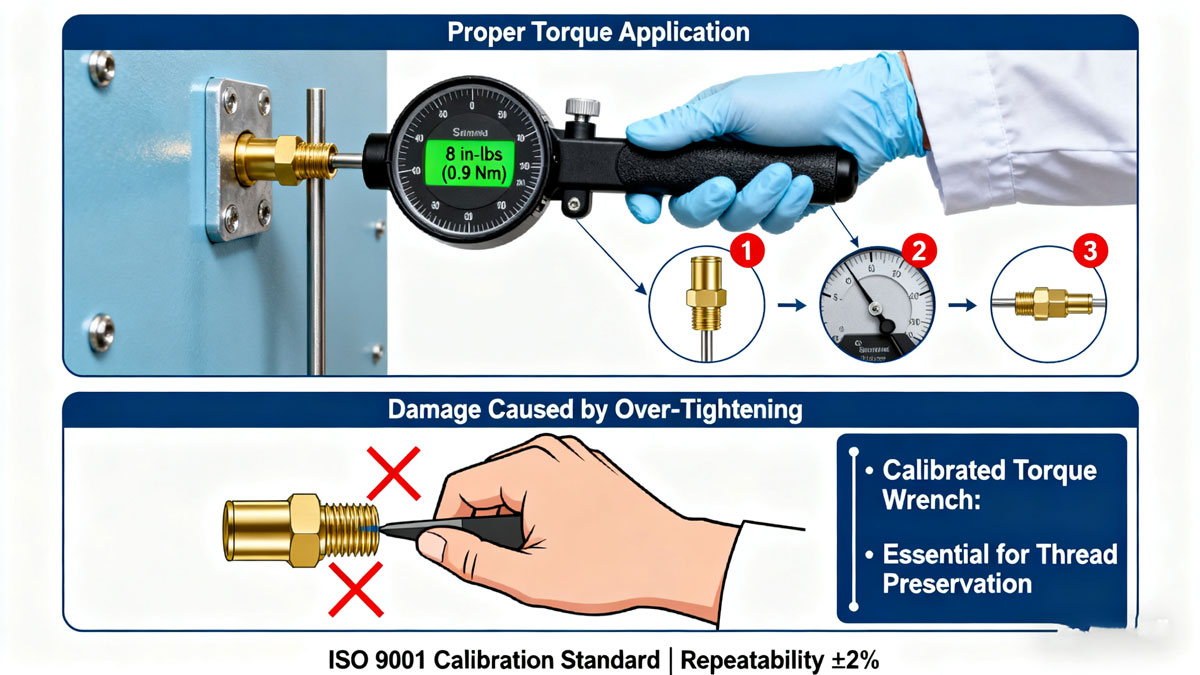
Proper installation is critical. Over-tightening an SMA connector can damage the threads, deform the center pin, or crack the dielectric. Under-tightening can lead to a poor electrical contact, unstable VSWR, and susceptibility to vibration.
- Typical Value: Most SMA connectors have a recommended tightening torque between 5 and 10 inch-pounds (in-lbs). Always refer to the manufacturer's datasheet for the specific value.
- Tool Use: Using a torque wrench designed for SMA connectors is a best practice in production and field installation to ensure consistent and reliable connections.
Deploy your equipment with confidence in any environment. Xiamen Lineyi offers ruggedized SMA connectors with high mating cycle ratings, wide temperature tolerances, and optional IP67 sealing. [Contact us] for connectors built to last.

点击右上角
分享给朋友吧







 Long by picture save/share
0
Copyright © Xiamen Lineyi Electronics Co., Ltd All rights reserved.
点击右上角
分享给朋友吧
