

The Seal of Reliability: IP Ratings and Waterproof Design Strategies for SIM Holders
Author:Xiamen Lineyi Electronics Co.,Ltd.
Click:
Time:2025-09-18 14:55:49
Water is the eternal enemy of electronics. In industrial settings, the threat multiplies: high-pressure washdowns, condensation, humidity, and even direct immersion can swiftly disable equipment. For critical components like a SIM holder, which provides the vital cellular connectivity for IoT devices and remote monitors, a waterproof design isn't a luxury—it's an absolute necessity.
This article moves beyond the theory of IP ratings to explore the practical design strategies and engineering feats that make a waterproof SIM holder possible. We'll examine how manufacturers achieve those crucial IP67, IP68, and IP69K ratings that define a truly industrial smart card connector.
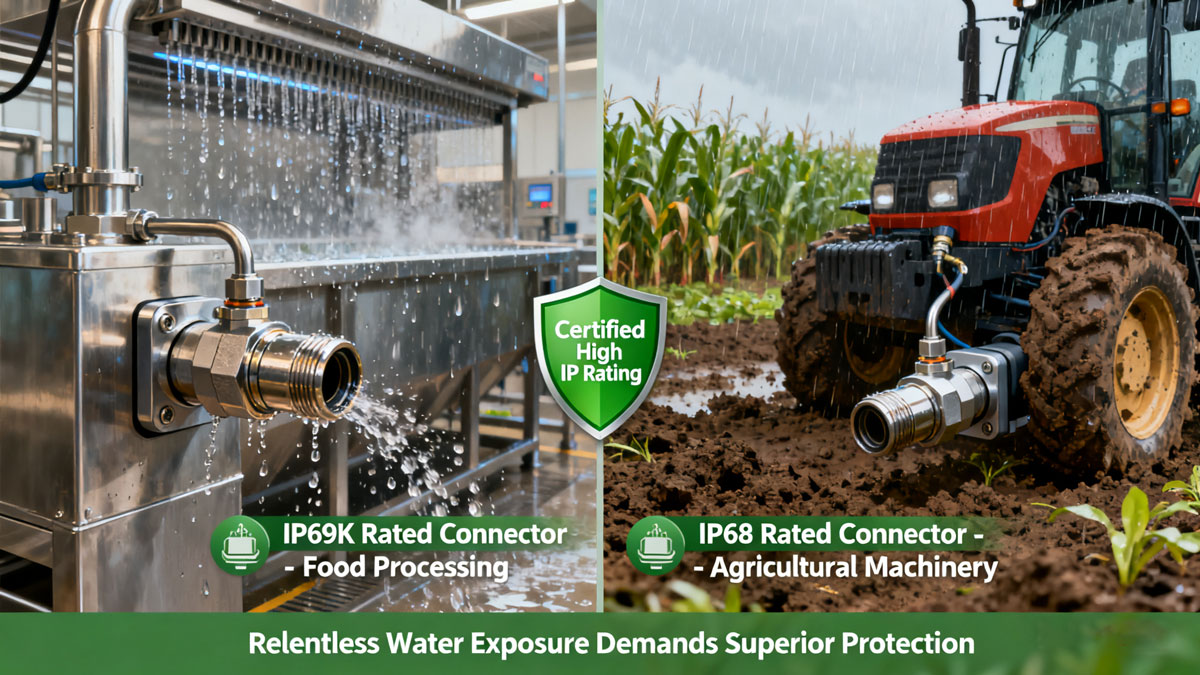
From Theory to Practice: How IP Ratings are Achieved
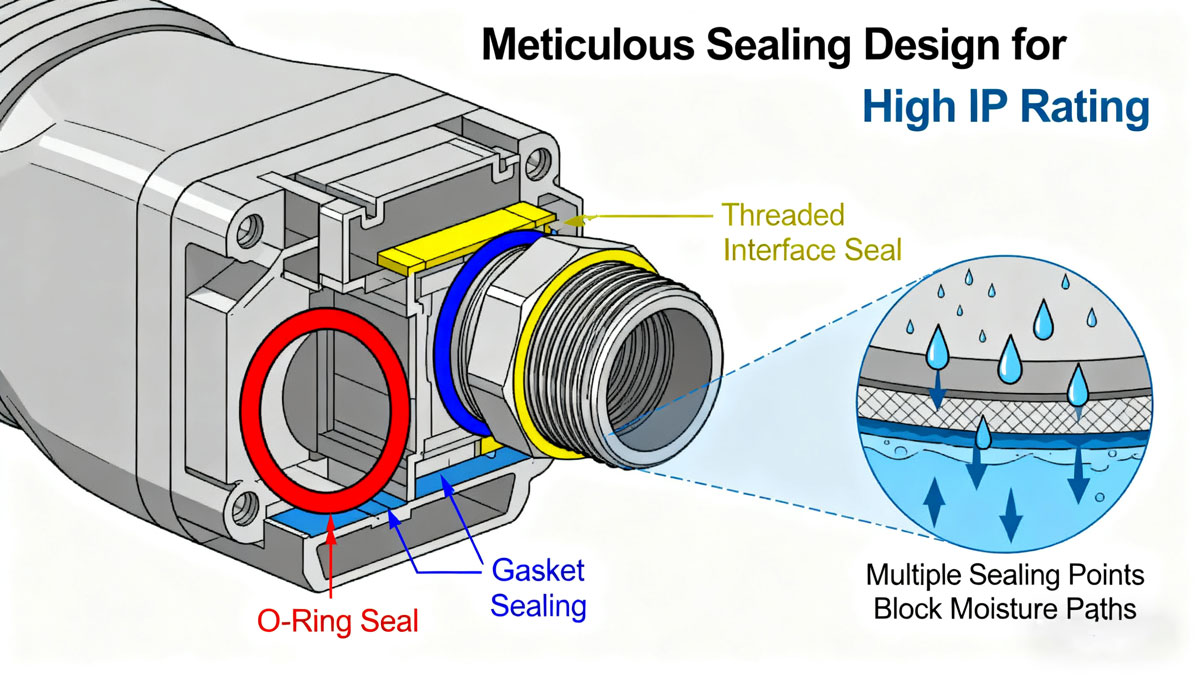
Achieving a high IP rating requires a multi-faceted approach to sealing. It's not just about one gasket; it's about a system of defenses.
- The Primary Seal: Gaskets and O-Rings: The most common method involves using elastomeric gaskets or O-rings made from materials like silicone or TPE (Thermoplastic Elastomer). These are compressed between the SIM holder's housing and the device's enclosure, creating a tight barrier against water and dust. The choice of material is critical—it must remain elastic across the intended temperature range and resist compression set (permanent deformation) over time.
- The Interface Seal: Cap and Thread Design: For SIM holders that require user access, the cover or cap itself is a potential point of failure. Innovative designs use threaded caps with integrated seals.
- Secondary Sealing: Potting and Membrane Seals: In extreme cases, especially for non-user-serviceable connections, the entire assembly might be potted—filled with a solid or gelatinous epoxy compound that encapsulates the electronics. Alternatively, waterproof breathable membranes can be used over vents to equalize pressure while blocking liquid ingress.
Material Science: Choosing the Right Substances
The seals are only as good as the materials they're made of. Industrial connector manufacturers select materials for specific environmental challenges:
- Silicone: Excellent temperature range and flexibility, widely used for gaskets.
- TPE (Thermoplastic Elastomer): Offers good chemical resistance and durability, often used for cable jackets and seals in connectors like those from Molex's harsh-environment series4.
- Thermoplastic Housings: The connector body itself, often made from high-temperature, glass-filled thermoplastics (e.g., PBT, Nylon) provides structural integrity and insulation. Materials like these often carry a UL 94 V-0 flammability rating, indicating they are self-extinguishing5.
Designing for Life: The Ejection Mechanism Challenge
A significant challenge in designing a durable IC socket for SIM cards is integrating a reliable ejection mechanism without compromising the seal. Traditional consumer 'push-push' mechanisms can create paths for water. Industrial designs often favor simpler, more robust methods:
- Threaded Caps: As mentioned, the cap that seals the chamber also secures the SIM card.
- Lever or Slide Mechanisms: Protected under the main seal, these can provide a more mechanical advantage for ejection in a sealed environment.
The Ultimate Test: Validation
A design is only theoretical until it's proven. Reputable manufacturers subject their waterproof SIM holders to rigorous testing that simulates years of use in harsh conditions: temperature cycling, humidity exposure, salt spray testing, and of course, verification to the stated IP standard under controlled laboratory conditions.
CTA: Xiamen Lineyi offers a range of IP67-rated SIM holders designed for rugged outdoor and industrial applications. [Contact us] to discuss integrating proven waterproof connectivity into your devices.

点击右上角
分享给朋友吧







 Long by picture save/share
0
Copyright © Xiamen Lineyi Electronics Co., Ltd All rights reserved.
点击右上角
分享给朋友吧
